We’ve been pretty quiet, but a lot has been going on behind the scenes here at InkyRacing. We are targeting October for our first national event with the Corvette, at Indianapolis Motor Speedway. I say that now because for the first time I think there’s a chance I can actually make it.
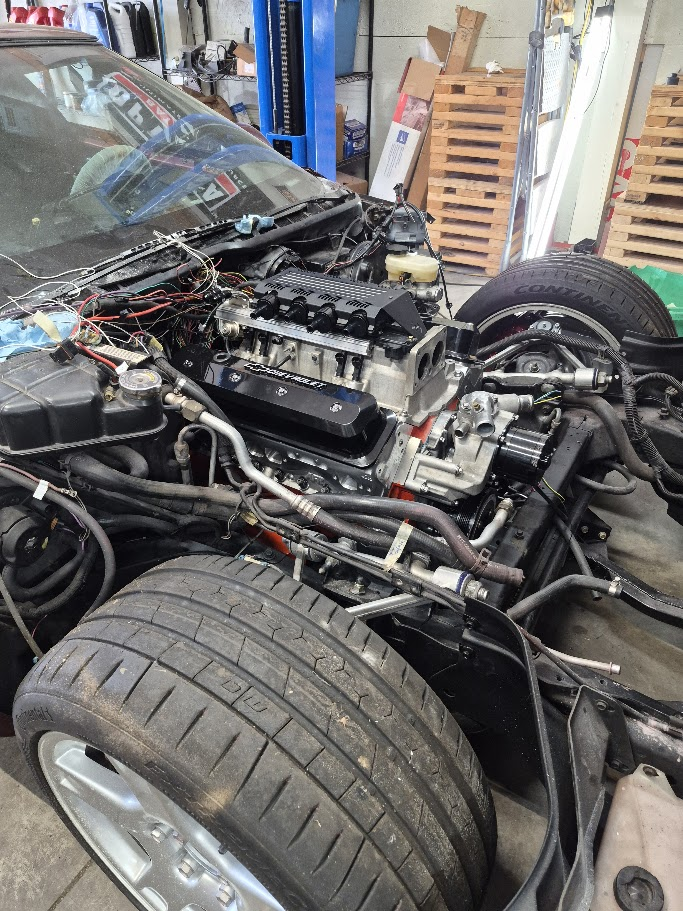
The biggest news is the drivetrain is in the car. This is a culmination of over three years of work. We’ve disassembled, cleaned, bodyworked, painted, installed suspension, and done interior electronics. But the powertrain was stalled out.
Why? Money. In the last three years we’ve been active. There was a full engine out on the Buick. We unexpectedly got invited to SEMA. I had to replace the roof on my garage. Life.
Well, this year, the funds had been accumulated and I took a hit at several vendors to get the powertrain in the car.
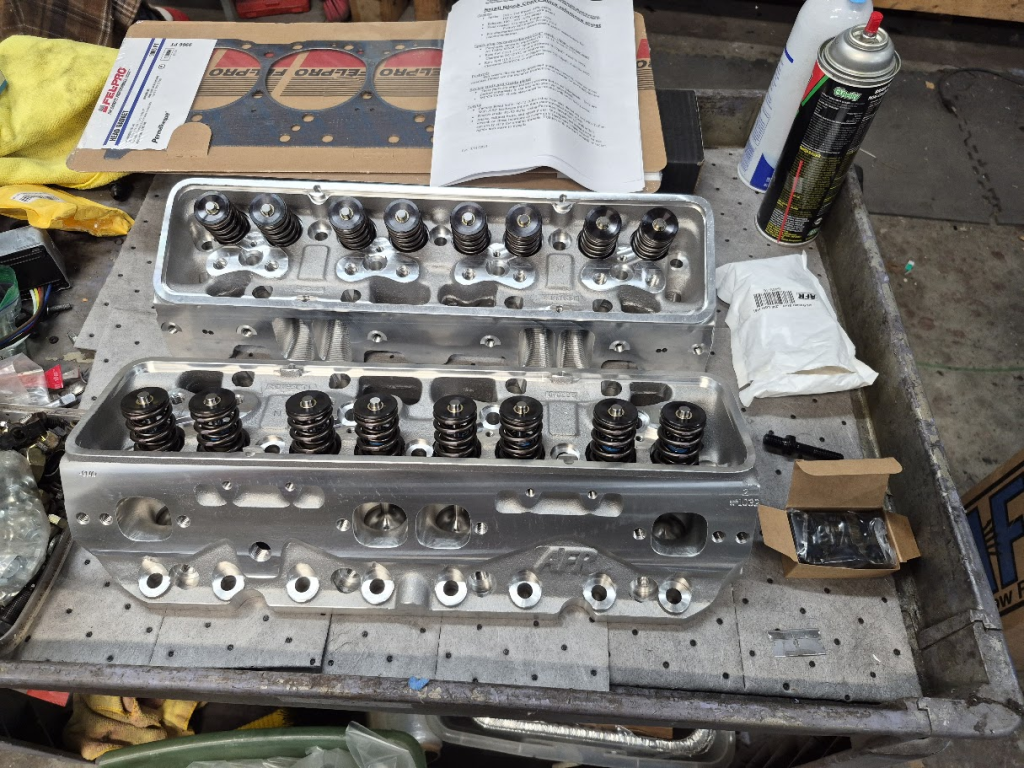
I grabbed some AFR 1032 heads, these are 195cc intake ports, 54cc chambers, big valve, sprung for 6500 RPM
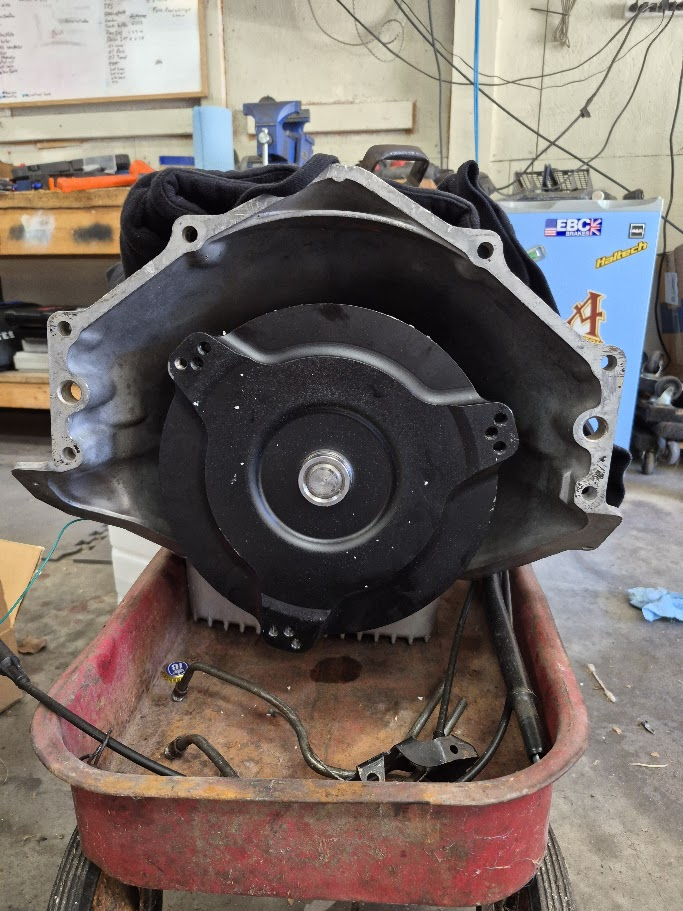
We ordered a ProTorque 10″ converter. 3000 RPM stall, anti-balloon plate, reinforced lockup clutch.
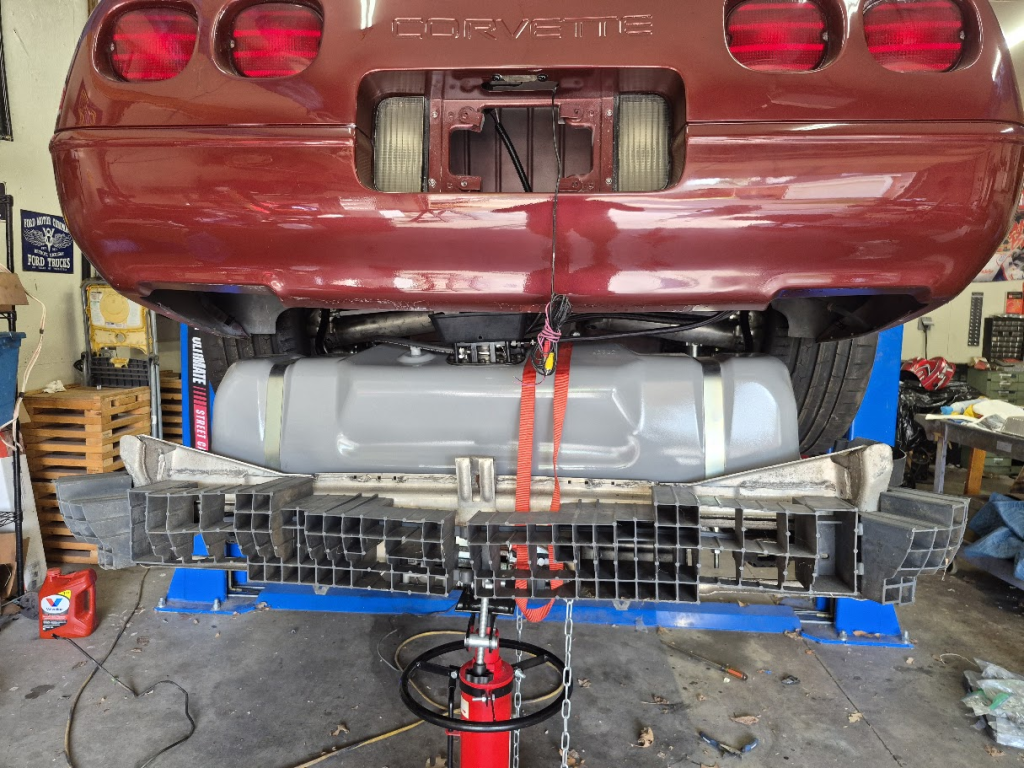
A Deatchwerks fuel system with 60lb injectors, 340lph pump, and a flex fuel sensor went in with a brand new tank.
All the expensive bits. The valvetrain is a Howard camshaft spec’d to the limit of what you can do with a 355 cubic inch engine. Trick Flow full roller rockers. A Haltech Nexus powertrain management system. All the lessons learned from the Buick applied to this build. This time, instead of optimizing for cost, I optimized for time. Buying compatible components even if they cost more.
For instance, the Haltech Nexus works with the RacePack IQ3s dash out of the box. A Megasquirt based system would have cost half as much, but I’d have had to spend dozens of hours manually mapping inputs in the CAN stream so the RacePak would display them correctly.
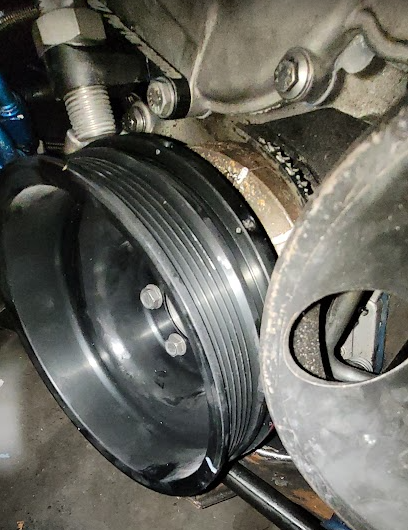
Also, the Haltech can drive high amp accessories directly. So when my adjustable timing set took away the gear drive that ran the water pump, I was able to switch to an electric pump. The Haltech will be able to drive that pump, with PWM control, directly. It’ll also be able to directly run the fuel pump, also with full PWM control. It directly powers the ignition coils and the injectors, simplifying the wiring. I don’t need power feeds from the stock fuse block for those anymore, it’s all in the harness coming from the Haltech.
And most importantly, we’ve ditched the oft lamented OptiSpark. The car has been converted to a TorqHead cam+crank trigger setup plus individual coils. The coil stack required some modification to mount to my 1992 intake, but I made it fit.
Fast forward to today and the drivetrain is in the car.
Some lessons we learned:
- The Dana 44 rear end IS NOT dimensionally identical to the Dana 36. It is longer. That meant…
- The C-channel brace that connects the transmission to the rear end has to be modified and;
- The driveshaft needs to be shortened.
I’m guessing that GM never offered the Dana 44 with the Automatic, so the parts probably don’t exist. No big deal, my local diesel shop can do the driveshaft in a day.
The next phase is wiring and plumbing. We have to wire the Haltech to the engine. Injectors, coils, sensors. Plus transmission control, speed sensing, knock sensing, cam and crank triggers. It’s a LOT of circuits. We also need to deal with what remains of the factory wiring. I left a lot of it in place anticipating running a Microsquirt and needing to run a lot of analog signals to the RacePack for things like water tempurature and pressures. The Haltech removes that, so I think almost all the old wiring from the factory engine bay harness will go away. All I can think of right now that needs to remain is the power feeds and signal wiring for the HVAC controls. Maybe. We’ll see as we get into it.
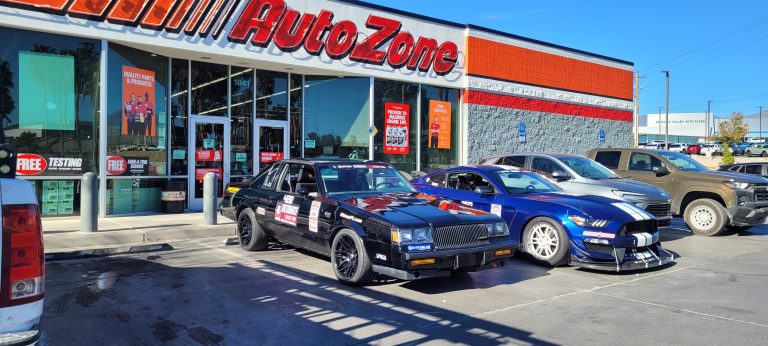
Until then, our next update will be a race weekend. We’re taking the Buick to NCM Motorsports Park next weekend for the Optima DriveAutoX series. Two days of parking lot shenanigans!
Stay tuned!
About the Author